
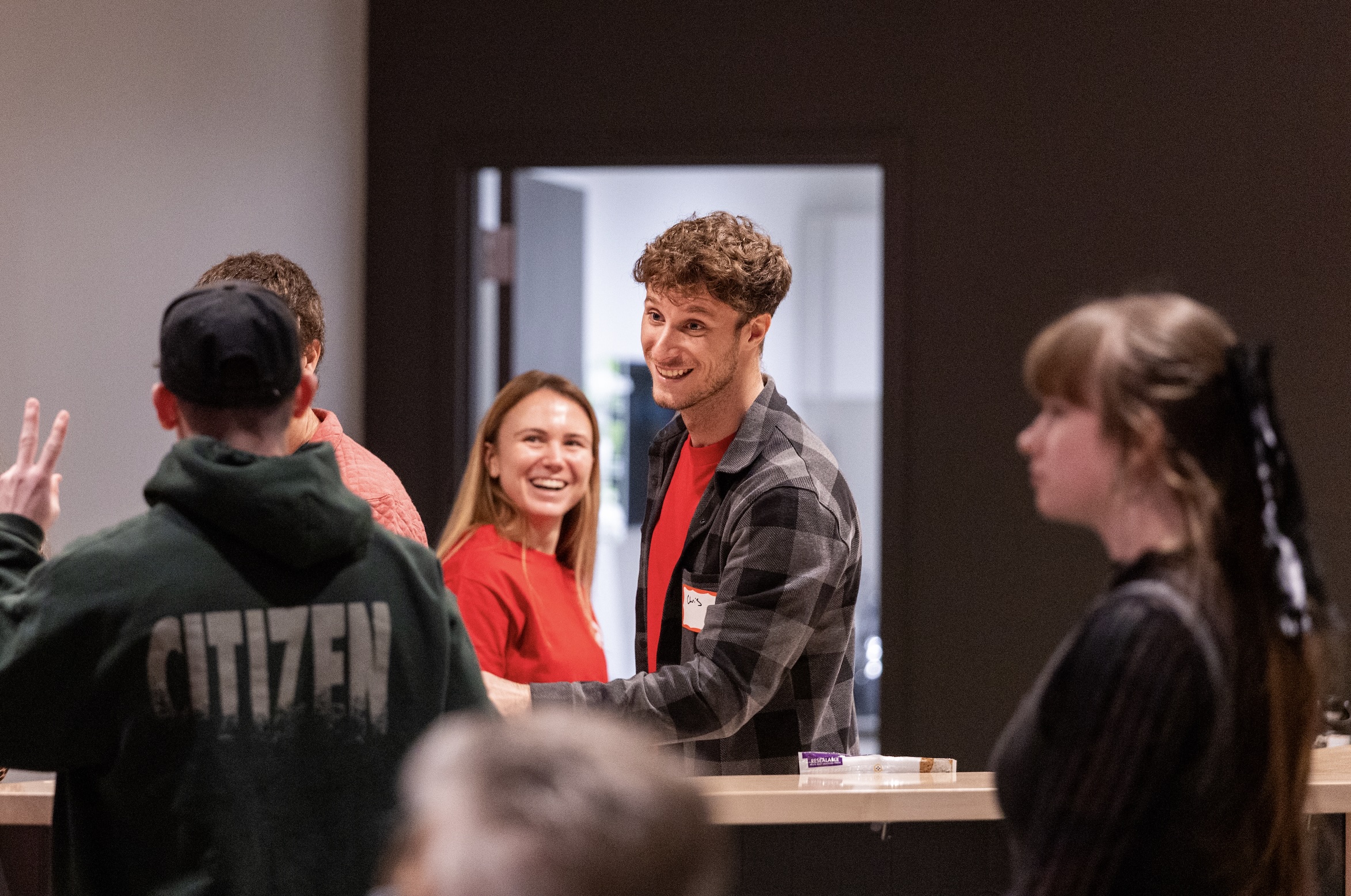
A church planting residency at Trinity Atlanta gave Chris and Caroline Hiler Albert a clear on-ramp to church planting—and the model works in smaller churches, too.
by Andrea Bailey Willits
When Chris and Caroline Hiler Albert graduated from Duke Divinity School last spring, they walked straight into a fully-funded, two-year church planting residency at Trinity Anglican Church in Atlanta.
No scramble for a day job.
No parachute plant with zero support.
No figuring out church planting in isolation while also trying to survive.
Just two years of immersive, mentored preparation to do the thing they both knew they were called to do: plant a church.
Now, the Hiler Alberts are eight months into their church planting residency, and if you talk to them for any length of time, it becomes clear that this is what formation for church planting is supposed to look like. Their story illustrates the efficacy of building a pipeline from seminary directly into residency so the next generation of church planters doesn’t have to figure it out the hard way.

“How will we plant?”
A year ago, Chris and Caroline were both in C4SO’s ordination process while finishing up at Duke and participating in Christ Our Life in Raleigh, N.C., led by the Rev. Kara Griffith.
The couple knew they wanted to plant a church together, but the path forward was murky. Chris had already accepted a position as a hospital chaplain. Caroline was job hunting.
Then Chris found a posting on Duke’s job board. Trinity Anglican in Atlanta—one of C4SO’s three resource churches—was hiring a church planting resident. The listing was for one person, but the Hiler-Alberts asked if Trinity would consider two.
“It felt like such an answer to prayer,” Caroline said. “We didn’t know, especially as a couple wanting to be supported through the Church, how we would plant—or if it just meant many, many years down the road.”
Trinity agreed to consider the couple. Bishop Todd Hunter, who happened to be visiting Duke for an ordination while the Hiler Alberts were weighing the opportunity, told them it was a no-brainer. The couple applied, interviewed, were accepted, and moved to Atlanta to start their two-year residency in June 2025, shortly after their wedding.
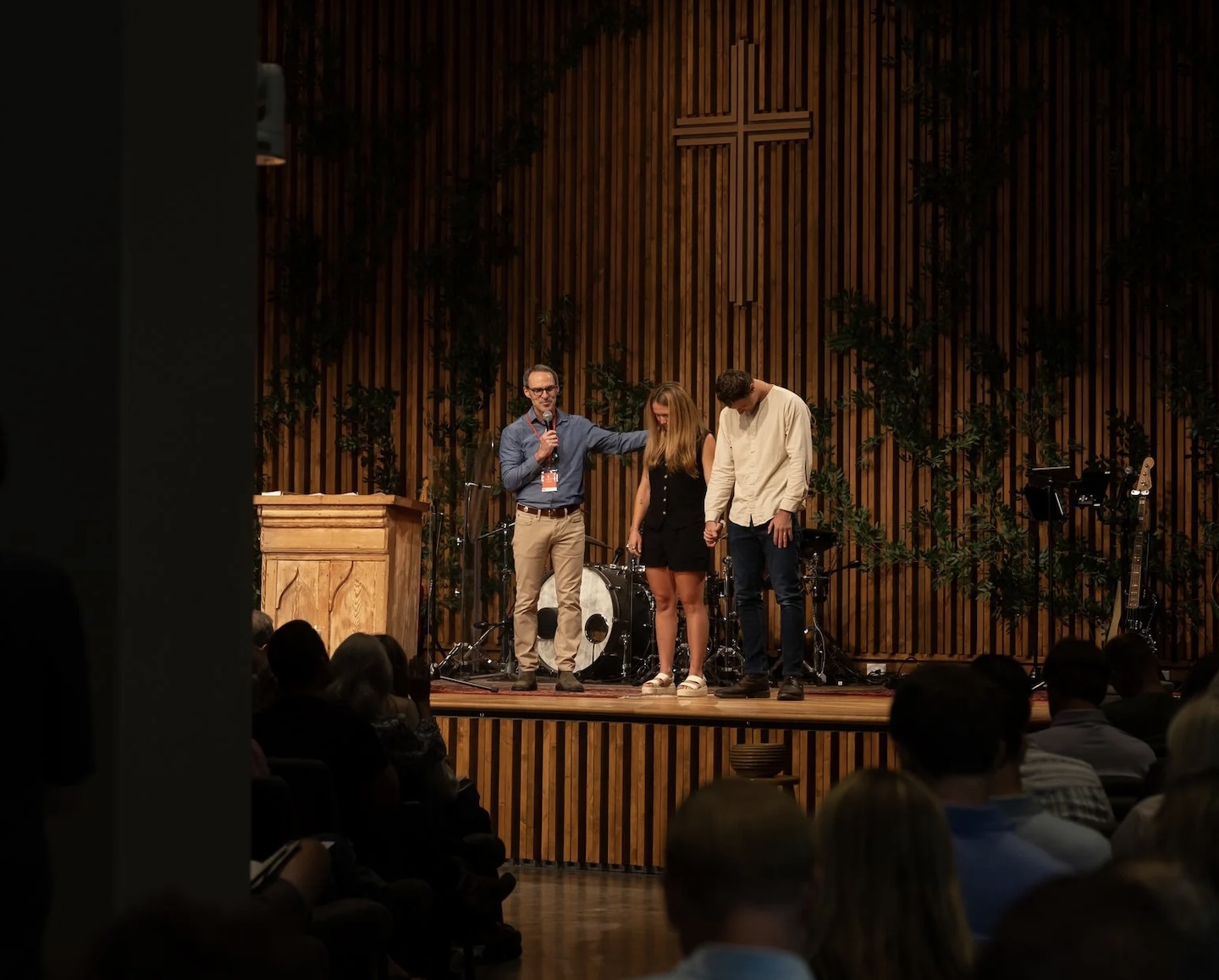
What exactly is a residency?
A common misconception is that a church planting residency is an internship. It’s actually a full-time, salaried position inside a healthy, established church, structured to move a planter—or in this case, a couple—from immersion in parish life to the active launch of a new congregation.
At Trinity, the two-year residency is divided into four quarters. The first five months are pure assimilation for the residents: getting involved in every ministry, learning the rhythms of a 1,500-person church, making their faces and hearts known to the congregation.
Now, eight months in, Caroline and Chris are beginning to shift their focus. They are discerning a neighborhood in Atlanta. They are meeting with people interested in joining their core team. They are starting to think about name, identity and vision. Each quarter, the balance tips: less work for Trinity, more work for the church plant.
Trinity’s rector, the Rev. Canon Dr. Kris McDaniel, has framed the residency around abundance rather than scarcity. He isn’t just tolerating the fact that a church plant will one day leave his congregation; he’s actively encouraging his best people to go with it.
“When we planted Trinity over 20 years ago, we were sent out with very little in the way of support and resources,” Kris says. “In crafting this residency program, we made intentional choices to go in the opposite direction. We want our planters to have what they need to engage in the mission of God without having to figure it out themselves.”
Trinity’s support extends to financial backing; a worship director who is being resourced and trained; ministry help to identify outreach networks in their target area; and a commitment to send volunteers to help with kids ministry in the early years of the plant.
The goal, Kris says, is sustainability—not just surviving the launch but building rhythms of rest and restoration now so the plant doesn’t burn out in year three.
“We are helping our residents cultivate a long-term view of what success looks like without diluting their passion to innovate and create,” he says. “Plus, many hands make lighter work. If planters are launched with an enthusiastic core team, they do not have to carry the load by themselves.”
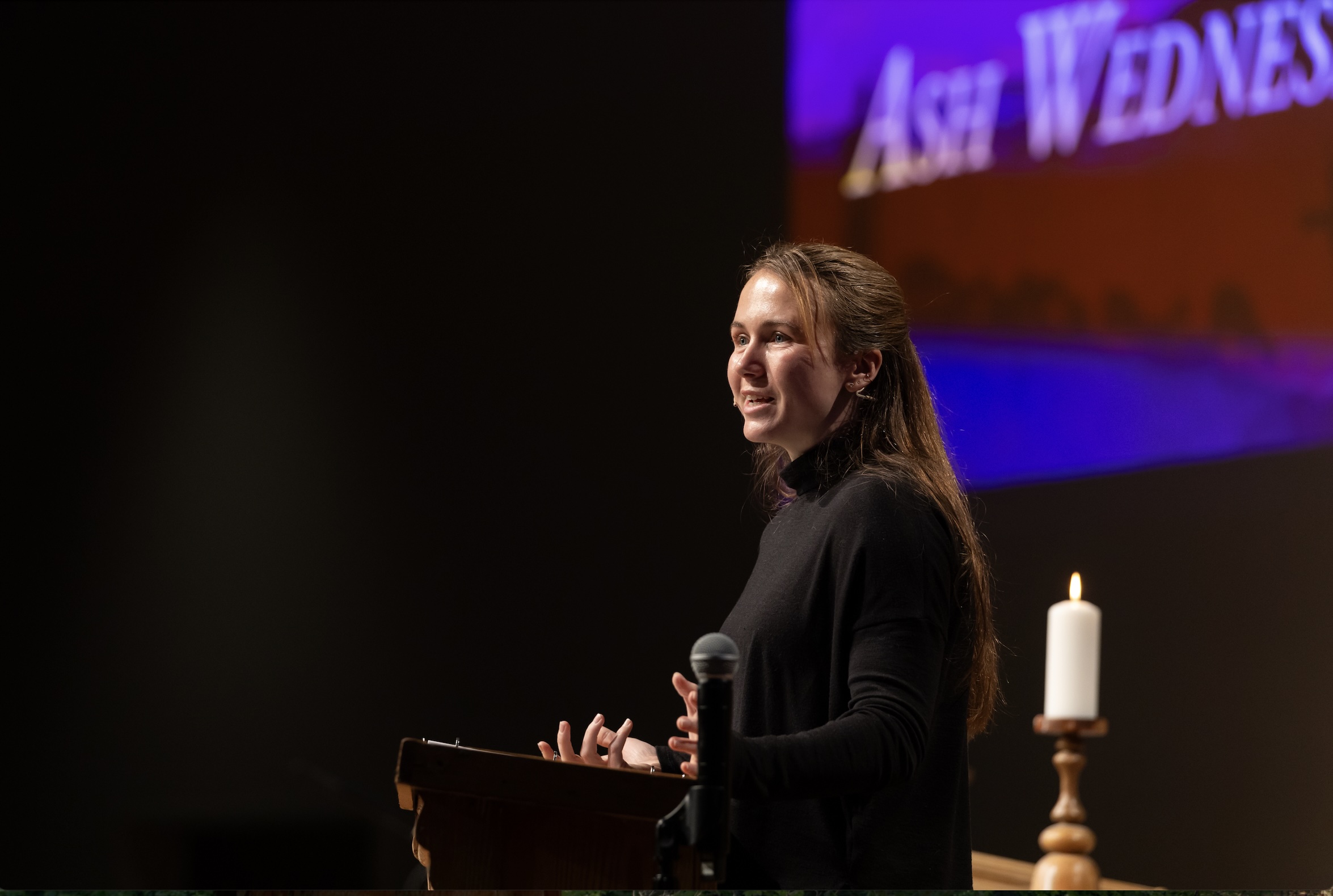
Failing Forward
One of the most liberating things the residency has given the Hiler Alberts is permission to be imperfect.
“For two years, you have room to fail, and that is OK,” Chris says. “Fail forward is a model I’ve heard before, and I think it’s just so accurate. There’s room to not be perfect, and you also shouldn’t have the expectation that you need to be.”
That posture matters enormously in a context where most church planters arrive with a pioneering mindset and no off switch. The residency structure—with a supervisor who tracks their hours, reminds them to work less, and explicitly builds in Sabbath—interrupts the burnout trajectory before it starts.
“If you can have more help, why wouldn’t you accept it?” Caroline said. “Why make it harder if it doesn’t have to be?”
Their arrangement—newly married, working together in a new city where they knew no one—could have proved to be a highly stressful situation. Instead, it has functioned as a built-in source of perspective and accountability.
“When we came to Trinity and were experiencing all these new things, Chris was experiencing the same things I was,” Caroline says. “We sought out other clergy couples in the ACNA for advice, and took advantage of premarital counseling and our marital assessment for ordination.”
In March, the couple celebrated their ordination to the diaconate with their calling clarified and their marriage intact.
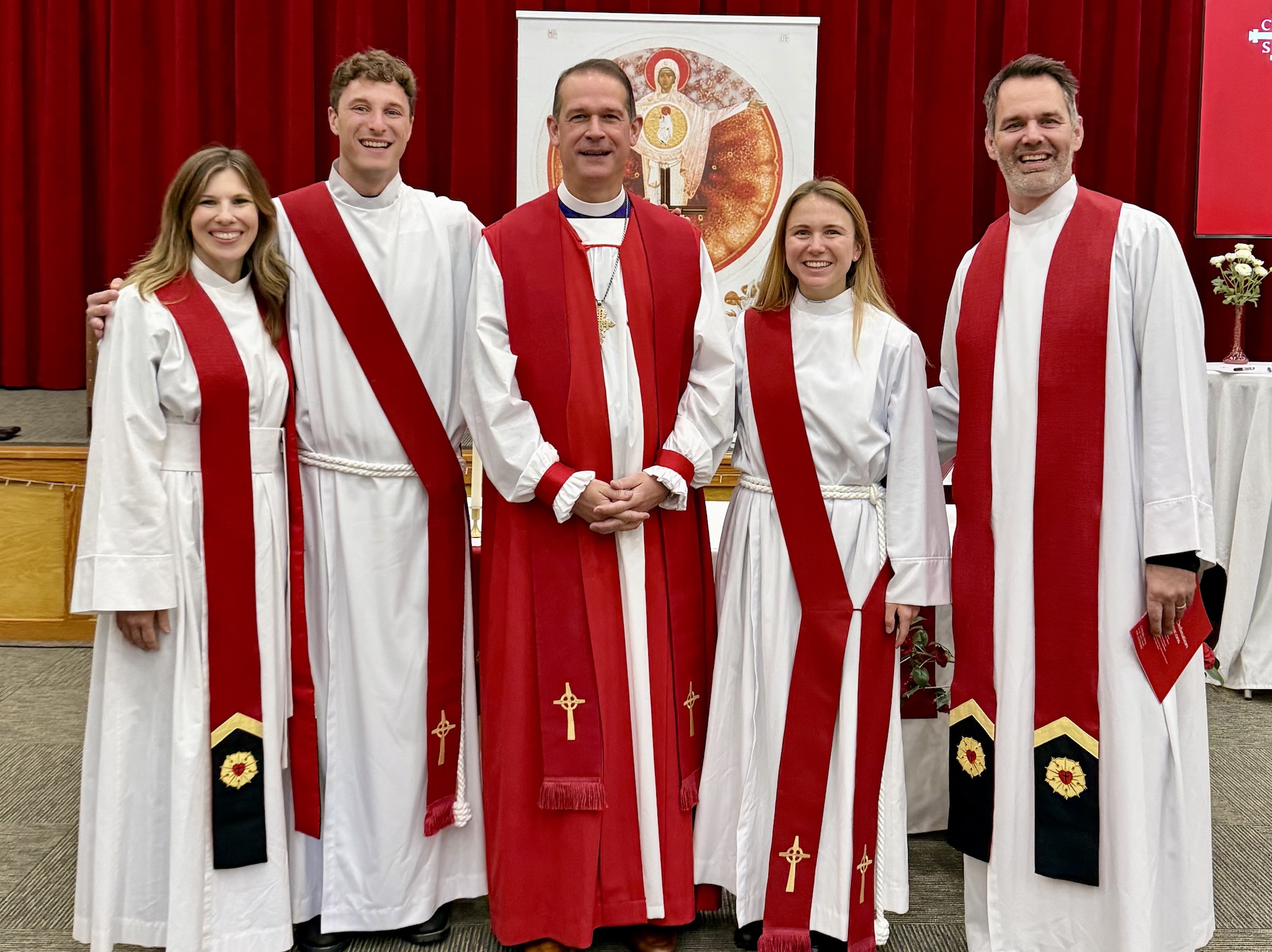
(L-R) The Rev. Kara Griffith, the Rev. Chris Hiler Albert, Bishop Jeff Bailey, the Rev. Caroline Hiler Albert, the Rev. Tanner Griffith
A Case for Churches and Seminarians
Smaller C4SO churches might be surprised that they can offer a residency, even if it’s not at institutional scale.
“There’s this expectation that you need to be a big church to have a resident, and I think that is just a fallacy,” Chris says. “The most important resource a church has to offer isn’t budget—it’s the rector’s time and mentorship. The resource that I think priests often forget they have is themselves.”
Funding gaps can also be addressed. Made to Flourish is a national organization that offers grants specifically designed to help churches—including smaller ones—support residents. Trinity used a Made to Flourish grant to fund the second position when it hired both Chris and Caroline. The repayment structure is designed to be feasible for churches of varying sizes: roughly 1% of annual revenue over five years, or a set amount, whichever is less burdensome.
The exciting thing is that seminarians are a relatively untapped audience for church planting residencies. C4SO has a growing presence at Duke, Baylor’s Truett Seminary and other institutions, and these Anglican students are looking for a clear on-ramp to fulfill their calling. A residency gives seminarians a church home, a salary, a supervisor and two years to develop the competencies church planting requires—without asking them to lead a congregation before they’re ready.
Trinity believes in the residency model so much that it’s already hiring for its next resident. The Hiler Alberts are living proof that it works.
“We will be planting out of health,” Chris says. “I don’t think many church plants get to say they started that way.”
If your church is interested in hosting a church planting residency—or if you are a seminarian exploring what a residency could look like for your formation—contact our Canon for Church Multiplication to learn more.